
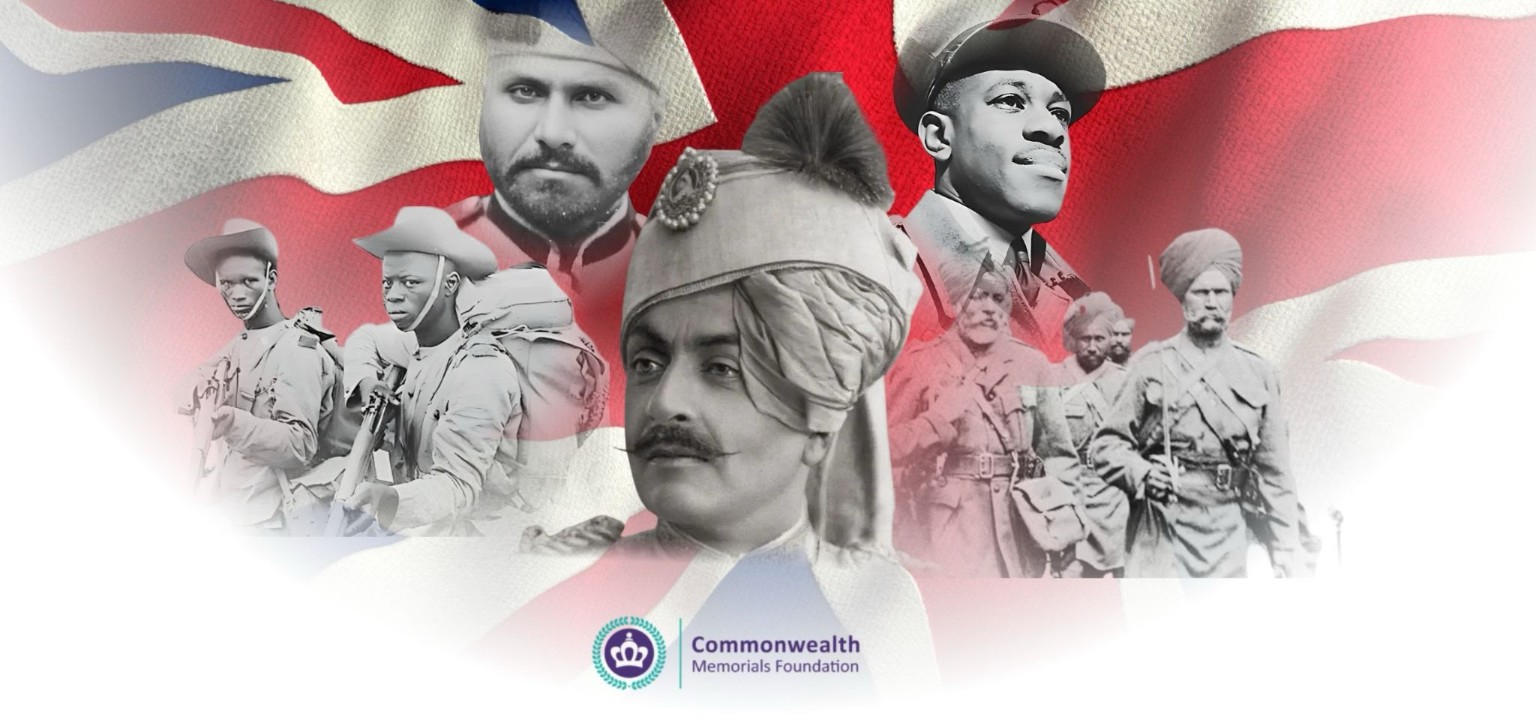
We Served
The Armed Forces of the British Crown have always drawn people from different nations, cultures and backgrounds. Their names and stories belong within our shared history.
We Were There
Racial diversity in the Armed Forces of the British Crown can be traced across centuries. People from Africa, the Caribbean, the Indian subcontinent, Canada and many other parts of the Commonwealth and former Empire served on land, at sea and in the air.
This page introduces some of those individuals. It is not a complete roll of honour. It is an invitation to look beyond statistics and encounter the people themselves: soldiers, sailors, aircrew, medics, intelligence personnel and women in uniform.
Hindu, Muslim, Sikh, Christian, Jewish and people of other faiths and none served together. Their experiences were different, but their service is part of one shared history.
The Second World War
Men and women from across the Empire and Commonwealth helped defeat the totalitarian regimes of Germany, Italy and Japan. The profiles below show the breadth of service in the Army, Royal Navy, Royal Air Force, intelligence services and women’s forces.
Select any name to read the story.
Naib Subahdar Ali Haidar VC 1913 to 1999

Ali Haidar was born on 21 August 1913 in Kohat, in the region now known as Khyber Pakhtunkhwa, Pakistan. He served in the British Indian Army during the Second World War and was awarded the Victoria Cross for bravery in Italy.
Lance Corporal Connie Mark 1923 to 2007
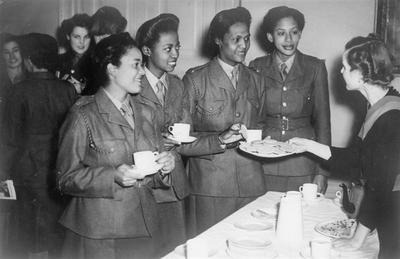
Connie Mark, née Macdonald, was born on 21 December 1923 in Rollington Town, Kingston, Jamaica. Her heritage was Scottish, Indian, Lebanese and Jamaican. Trained as a secretary, she joined the Auxiliary Territorial Service in Jamaica during the Second World War. She later became a determined campaigner for recognition of Caribbean service and for racial equality, and was awarded the British Empire Medal and an MBE.
Subahdar Namdeo Jadhav VC 1922 to 1984
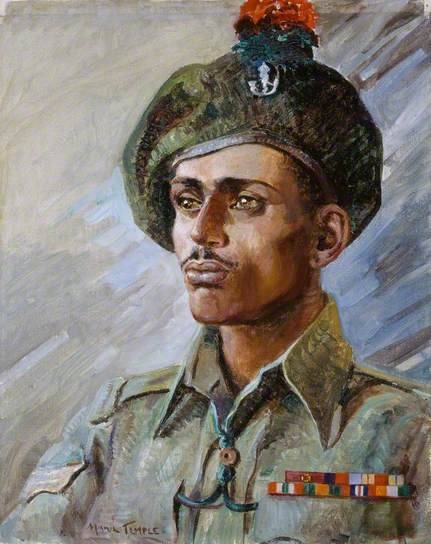
Namdeo Jadhav was born in Mumbai, India. Under intense enemy fire in Italy, he carried two wounded men through deep water and up a steep river bank, across a mine belt, to safety. He then attacked three enemy machine-gun posts and helped his battalion secure a bridgehead. His bravery was recognised with the Victoria Cross.
Greystone Doyle Cumberbatch 1921 to 1943
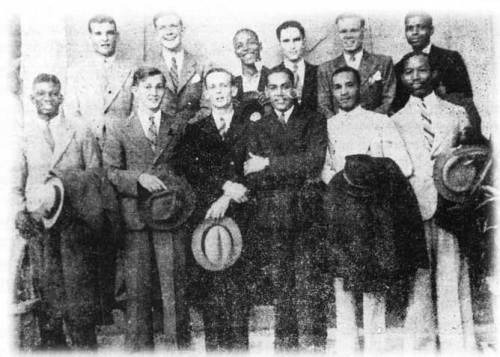
Greystone Doyle Cumberbatch was born on 2 June 1921 at Grapehall, St Lucy, Barbados. Known as Grey, he attended Harrison College and joined the second Barbados contingent for service with the Royal Air Force during the Second World War. He died in service in 1943.
Major Parkash Singh VC 1913 to 1991
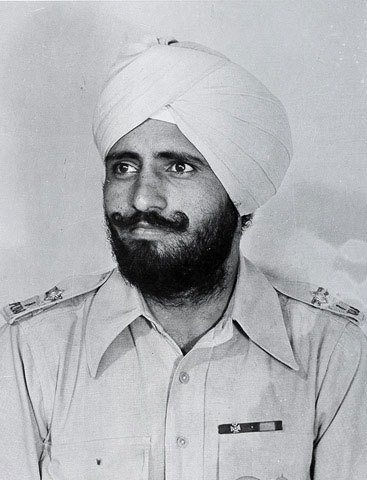
Parkash Singh was born on 31 March 1913. He enlisted in the Indian Army in 1936 and first served on the North West Frontier. During the Burma Campaign he repeatedly displayed exceptional courage while rescuing wounded comrades and protecting his convoy, for which he received the Victoria Cross.
Rifleman Thaman Gurung VC 1924 to 1944
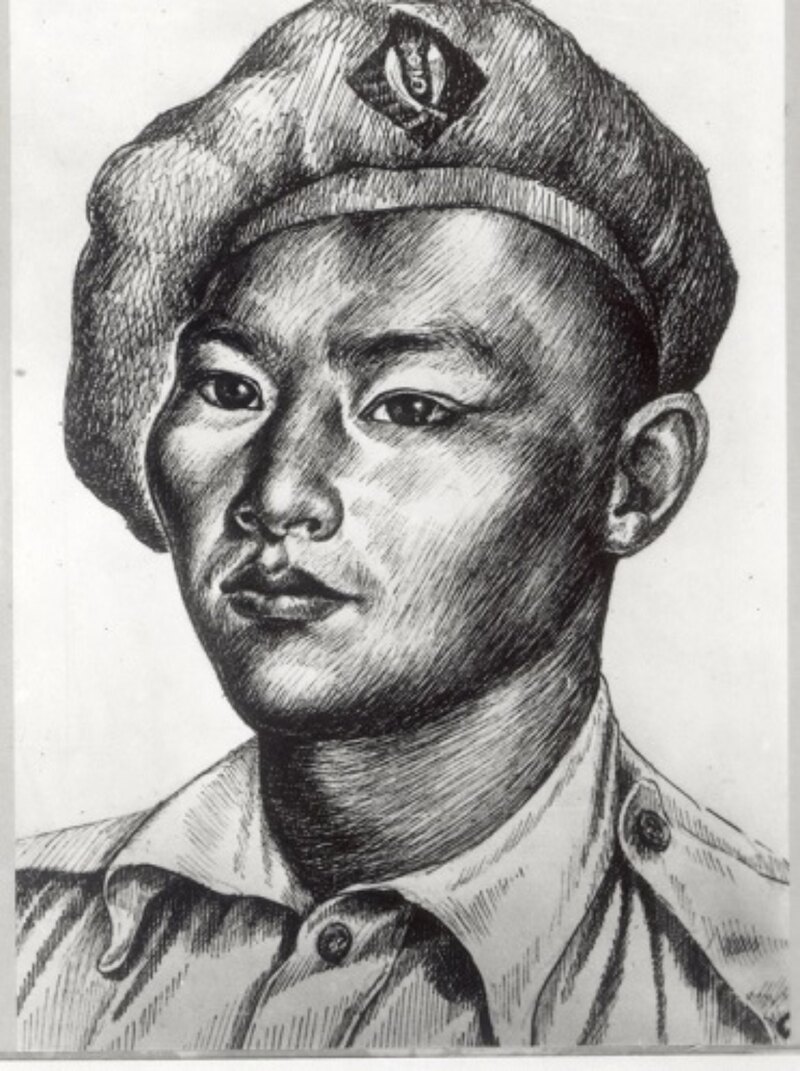
Thaman Gurung was born on 2 October 1924 in Nepal. He served with the 1st Battalion, 5th Royal Gurkha Rifles in the Indian Army. Acting as a scout during operations at Monte Pompegno in Italy, he was killed in action on 10 November 1944 at only 20 years of age. He was awarded the Victoria Cross posthumously. Portrait source: The Gurkha Museum.
Leading Aircraftwoman Lilian Bader

Lilian Bader, née Bailey, was born in Liverpool. Her father was from the West Indies and had served with the Royal Navy; her mother was white British. Orphaned at nine, Lilian later joined the Women’s Auxiliary Air Force and trained as an instrument repairer, becoming one of the first Black women to serve in the RAF during the Second World War.
Squadron Leader Philip Louis Ulric Cross 1917 to 2013
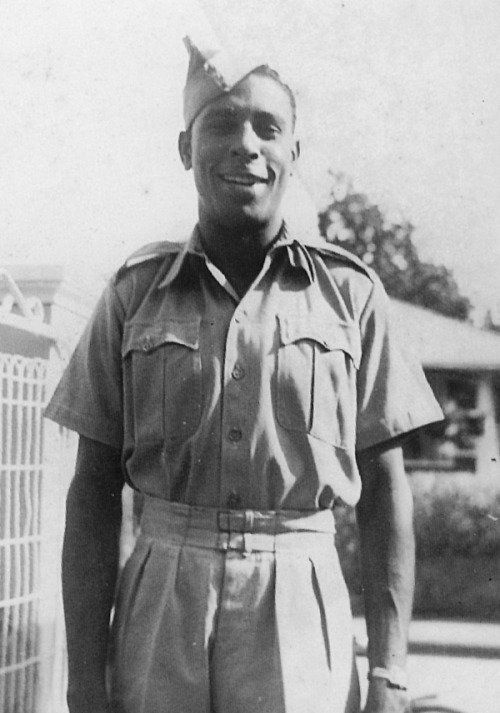
Philip Louis Ulric Cross was born on 1 May 1917 in Trinidad. He served with RAF Bomber Command and was awarded the Distinguished Flying Cross in 1944 and the Distinguished Service Order in 1945. After the RAF he became a lawyer, judge and diplomat.
Subahdar Major Lal Bahadur Thapa VC 1906 to 1968
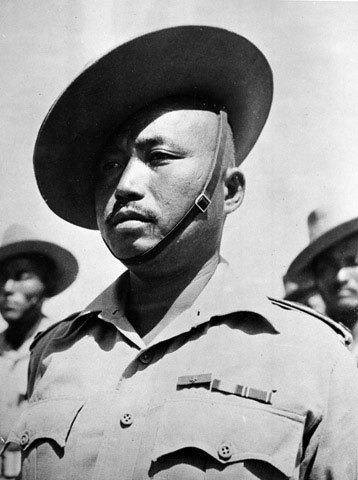
Lal Bahadur Thapa was born in Nepal in February 1906. Serving with the Gurkhas in the Indian Army, he was awarded the Victoria Cross for gallantry during the North African campaign.
Noor Inayat Khan GC 1914 to 1944
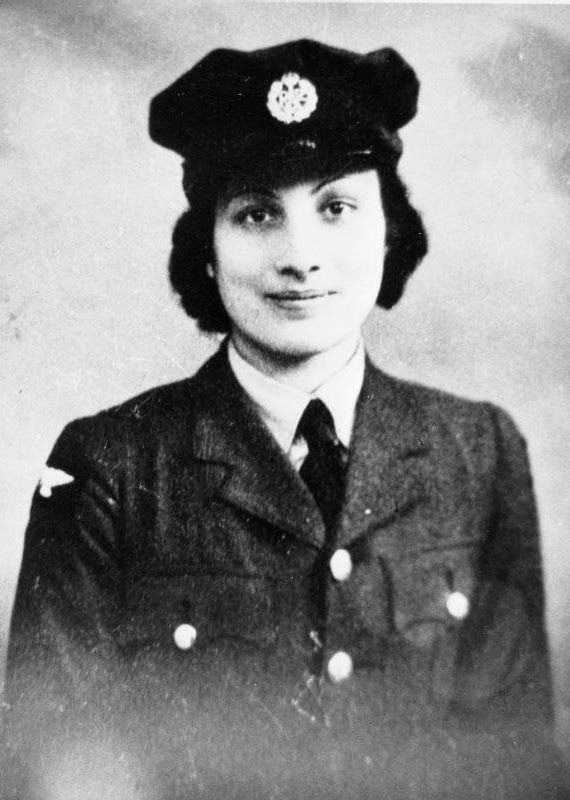
Noor Inayat Khan was born in Moscow on New Year’s Day 1914 to an Indian Muslim father, the Sufi teacher and musician Inayat Khan, and an American mother, Amina Begum. She came from a distinguished Indian Muslim lineage and was a descendant of Tipu Sultan, the 18th-century ruler of Mysore. Noor served Britain in the Women’s Auxiliary Air Force and later with the Special Operations Executive, becoming the first female wireless operator sent into Nazi-occupied France. Captured by the Gestapo, she was executed at Dachau in 1944 after refusing to betray her comrades. She was posthumously awarded the George Cross and the Croix de Guerre with Gold Star.
Squadron Leader Karun Krishna Majumdar DFC
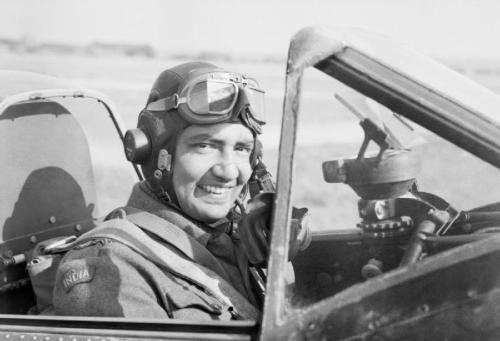
Karun Krishna Majumdar was the first Indian Air Force officer to receive the Distinguished Flying Cross. The award recognised the gallantry and leadership he displayed as commanding officer of No 1 Squadron, Indian Air Force, during the retreat from Burma in 1942.
Field Marshal Sam Manekshaw MC 1914 to 2008
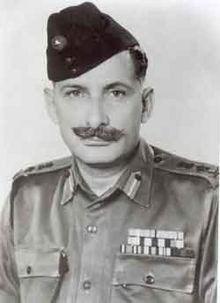
Sam Hormusji Framji Jamshedji Manekshaw was born in Amritsar to Parsi parents on 3 April 1914. Known as Sam Bahadur, or Sam the Brave, his four-decade military career began with service in the British Indian Army during the Second World War. He later became the first Indian Army officer promoted to Field Marshal.
Jemadar Abdul Hafiz VC 1925 to 1944
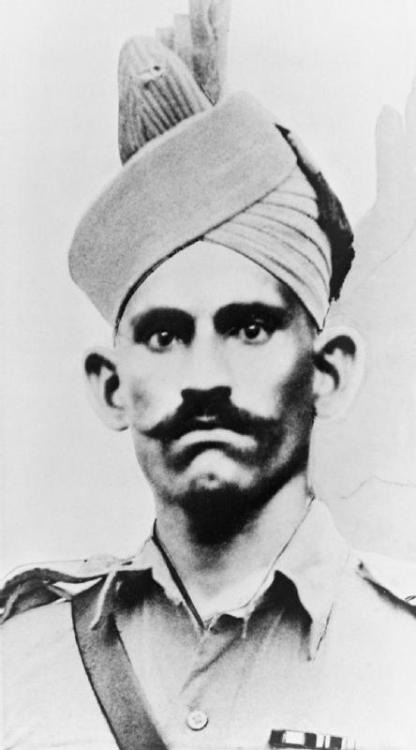
Abdul Hafiz was born on 4 September 1925 in Kalanaur in Punjab. During fighting in Burma he continued to lead his men after being wounded twice, once mortally. His example enabled the position to be captured and enemy weapons recovered. He received the Victoria Cross posthumously.
Subahdar Major Gian Singh VC 1915 to 1996
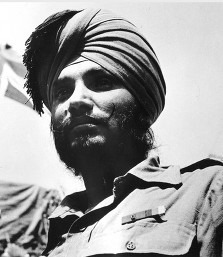
Gian Singh was born in Sahabpur village in Punjab and served with the 15th Punjab Regiment. His courage during the Burma Campaign was recognised with the Victoria Cross.
Flight Lieutenant Cyril Talalla DFC and Warrant Officer Henry Talalla
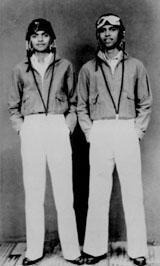
Henry Conrad Benjamin Talalla and Cyril Lionel Francis Talalla were brothers from Malaya who served as RAF pilots. Cyril flew with Nos 118 and 122 Squadrons and was awarded the Distinguished Flying Cross and Bar. Henry served with No 182 Squadron and was killed in July 1944 after being deployed to Normandy.
Pilot Officer John Henry Smythe OBE 1915 to 1996
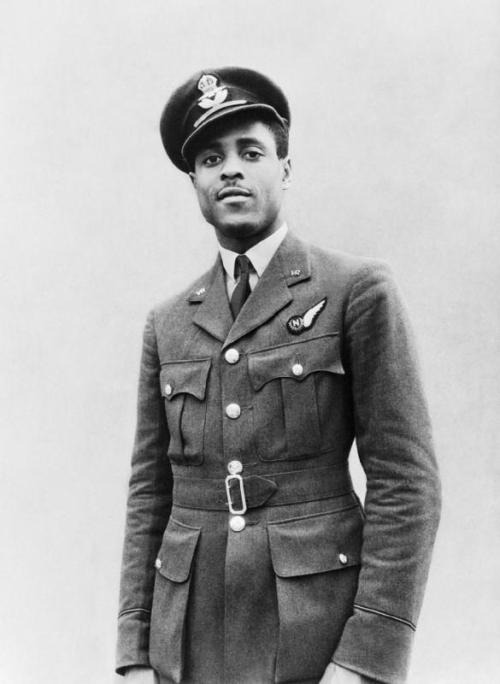
John Henry Smythe was born on 30 June 1915 in Freetown, Sierra Leone. He joined the Sierra Leone Defence Corps in 1939 and rose to sergeant. Sponsored by the government of Sierra Leone, he volunteered for the RAF as a navigator. He survived being shot down and held as a prisoner of war, later qualifying as a lawyer and receiving an OBE.
Subahdar Kamal Ram VC 1924 to 1982
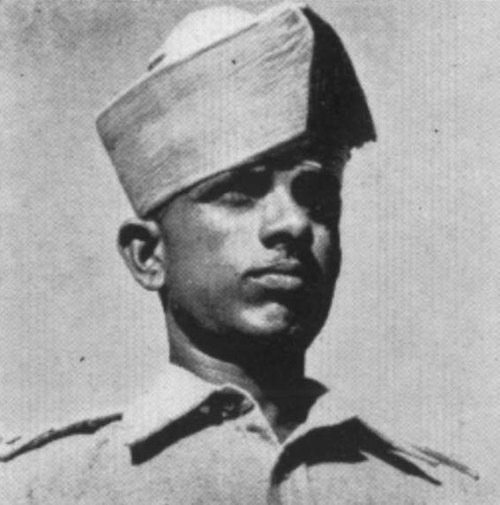
Kamal Ram was born on 17 December 1924 in Bhopura village, Rajasthan, India. Serving with the 3rd Battalion, 8th Punjab Regiment, he became the youngest Indian recipient of the Victoria Cross during the Second World War, aged only 19.
The First World War
The war extended into every part of the globe. Indian troops served on the Western Front and in the Middle East and Africa. African forces fought in East and West Africa, while labour units sustained frontline operations. The people below represent only a fraction of that global effort.
Subahdar Khudadad Khan VC 1888 to 1971
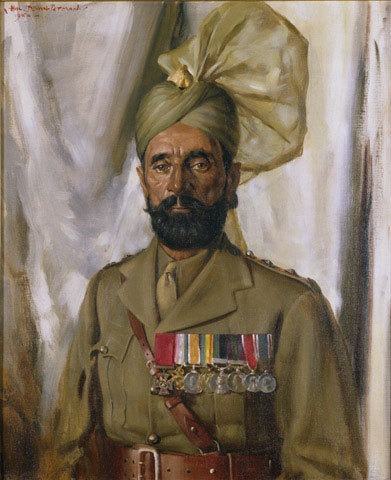
Khudadad Khan was born on 26 October 1888 in Dabb village, Punjab, in modern Pakistan. He served as a machine-gunner with the 129th Baluchis. His gallantry on the Western Front made him the first native-born Indian recipient of the Victoria Cross.
Subahdar Mir Dast VC 1874 to 1945
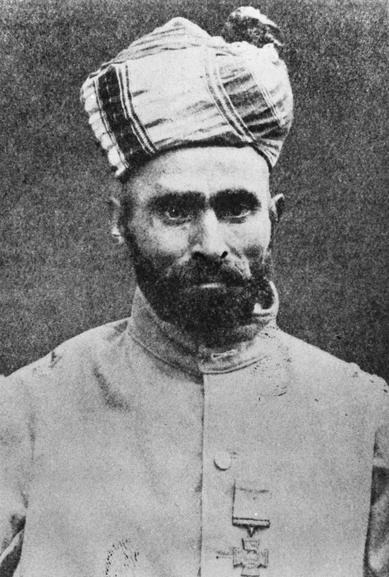
Mir Dast (1874–1945) was born in the Maidan Valley, Tirah, now in Pakistan. He enlisted in the British Indian Army in 1894 and served with the 55th Coke’s Rifles, attached to the 57th Wilde’s Rifles (Frontier Force), during the First World War. On 26 April 1915, at the Second Battle of Ypres, he displayed exceptional courage under a devastating gas attack and enemy fire, rallying survivors and helping bring wounded British and Indian soldiers to safety. Awarded the Victoria Cross, he was invested by King George V at Brighton’s Royal Pavilion, then serving as a military hospital for Indian troops. His honours also included the Indian Order of Merit and the Order of British India.
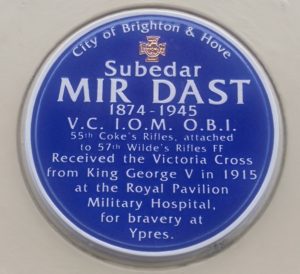
Remembered in Brighton: A blue plaque erected by the City of Brighton & Hove commemorates Mir Dast and his Victoria Cross investiture at the Royal Pavilion Military Hospital in 1915.
Further reading: Brighton & Hove Museums — Mir Dast: The Man Behind the Plaque · UK Government — WW1 Pakistani VC recipient Mir Dast
Lieutenant Walter Tull 1888 to 1918
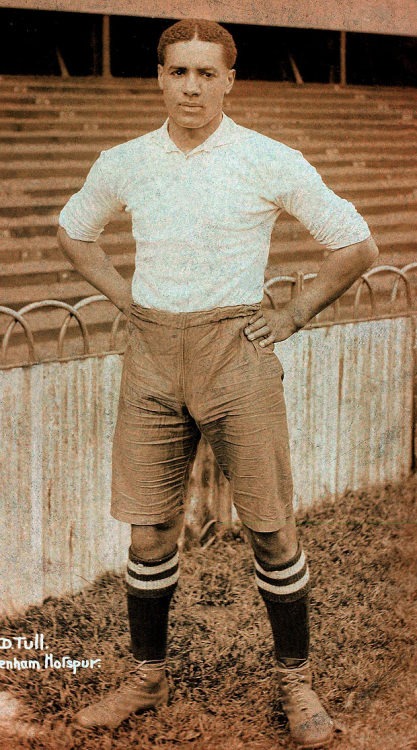
Walter Tull was one of Britain’s first Black professional footballers and became the first Black officer to lead white British soldiers in the British Army. He served on the Western and Italian Fronts and was killed in action in France in March 1918.
Captain Ishar Singh VC 1895 to 1963
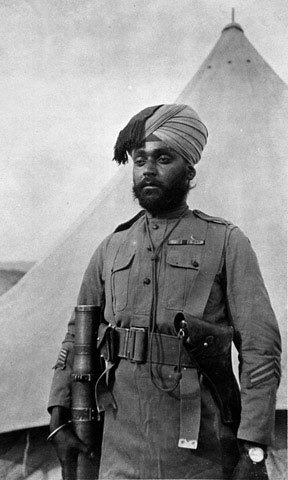
Ishar Singh was born on 30 December 1895 in Nenwan, Punjab. He became the first Sikh soldier to receive the Victoria Cross and was also awarded the Order of British India, First Class, with the title Sardar Bahadur.
Indra Lal Roy DFC 1898 to 1918
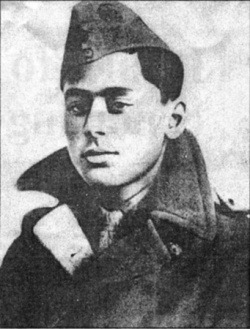
Indra Lal Roy was born in Calcutta on 2 December 1898 and educated at St Paul’s School in London. Commissioned into the Royal Flying Corps at 18, he became an accomplished fighter pilot and received the Distinguished Flying Cross. He was killed in action in July 1918.
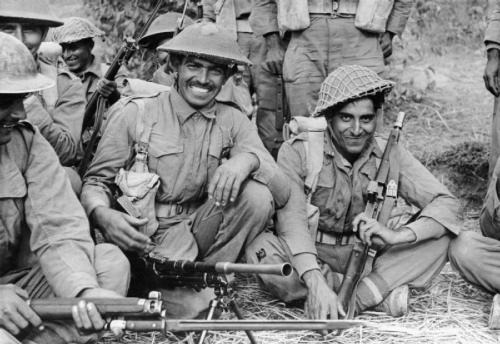
A Longer History of Service
The Commonwealth story did not begin in 1914. These earlier lives reveal a longer and often difficult history of service, courage, racial barriers, professional achievement and campaigning for freedom and equality.
Olaudah Equiano or Gustavus Vassa about 1745 to 1797
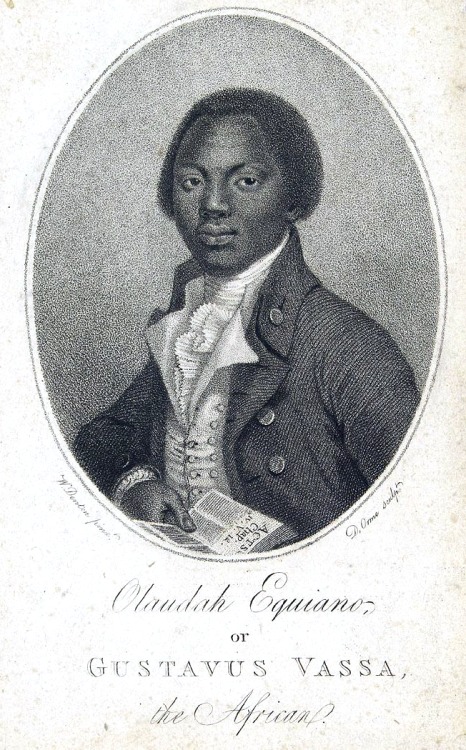
Olaudah Equiano was born in a village in what is now Nigeria. Abducted and sold into slavery at about 11, he was renamed Gustavus Vassa. During the Seven Years’ War he served as a powder carrier with the Royal Navy. After purchasing his freedom, he became a prominent writer and campaigner against slavery.
Colonel James Skinner 1778 to 1841
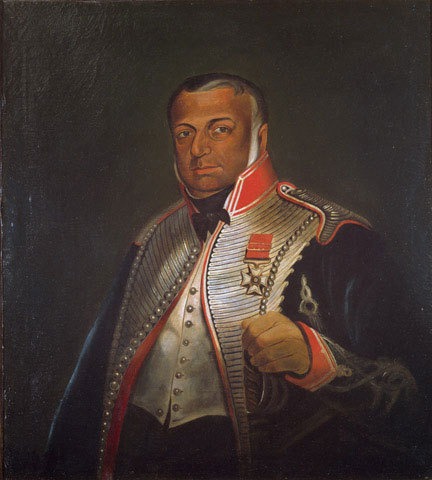
James Skinner was the son of a Scottish father and an Indian Rajput mother. Although racial prejudice restricted his advancement, his leadership earned the loyalty of his troops. His lasting military legacy is Skinner’s Horse, a regiment that continues in the Indian Army today.
Able Seaman William Hall VC 1827 to 1904
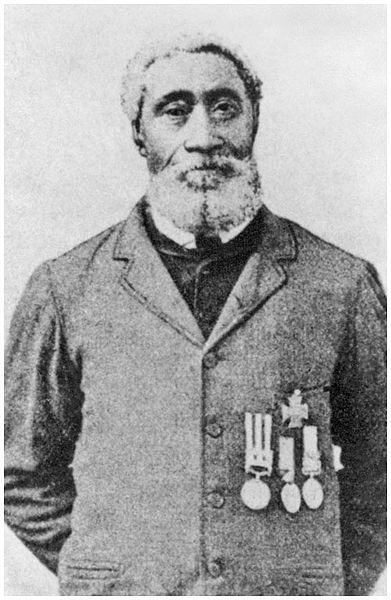
Born in Nova Scotia, William Hall served in the Royal Navy and became the first Black person and the third Canadian to receive the Victoria Cross. His award recognised his courage during the relief of Lucknow in 1857.
Mary Seacole 1805 to 1881
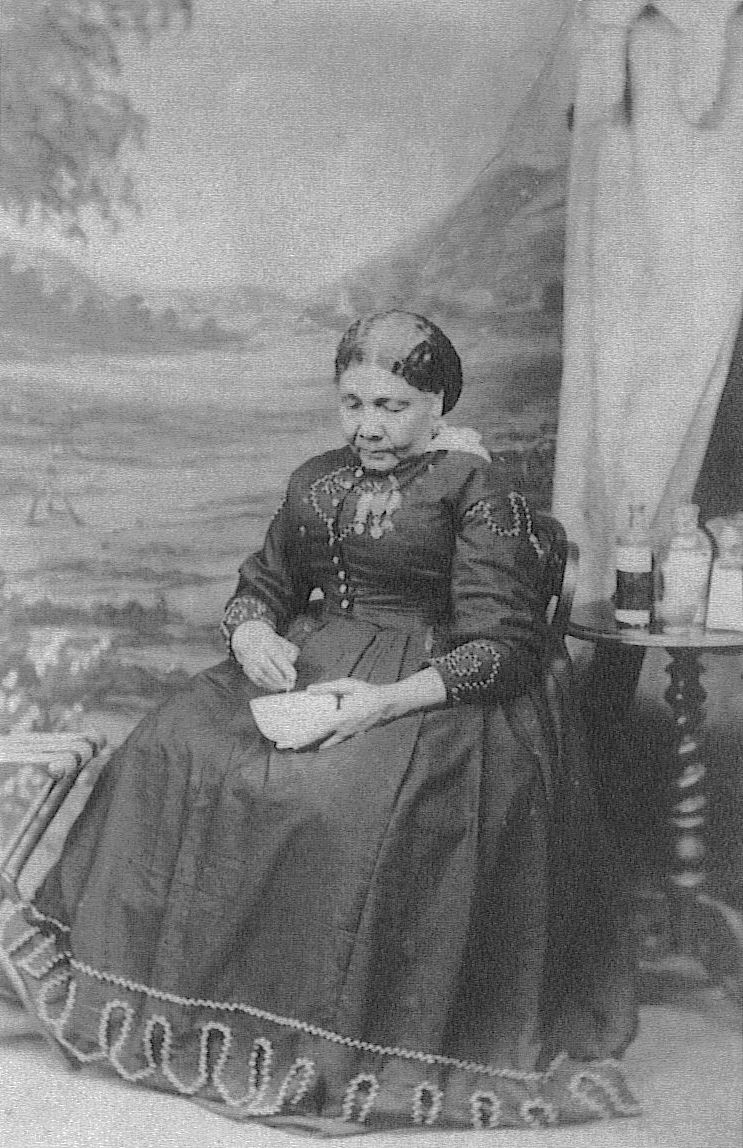
Mary Seacole was born in Kingston, Jamaica, to a Scottish soldier and a Jamaican mother of mixed heritage. Drawing on her nursing and business experience, she travelled independently to the Crimea and cared for sick and wounded servicemen close to the fighting.
Private Samuel Hodge VC about 1840 to 1868
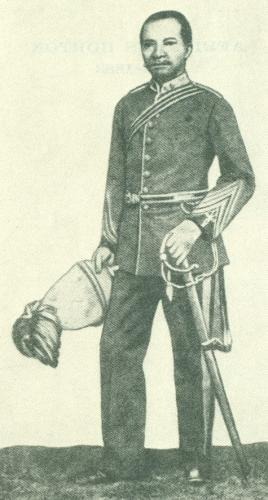
Samuel Hodge was from Tortola in the British Virgin Islands and served with the 4th West India Regiment. During the storming of a fortified position in the Gambia in 1866, he volunteered to help breach the stockade under fire and opened gates from inside so supporting troops could enter. He became the second Black recipient of the Victoria Cross.
Sergeant William James Gordon VC 1864 to 1922
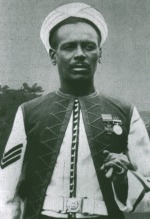
Born in Jamaica, William Gordon enlisted in the West India Regiment in 1885. During fighting at Toniataba in the Gambia in 1892, he pushed his commanding officer out of the line of fire and was shot himself. His action saved the officer’s life and earned Gordon the Victoria Cross.
Surgeon Major James Africanus Beale Horton 1835 to 1883
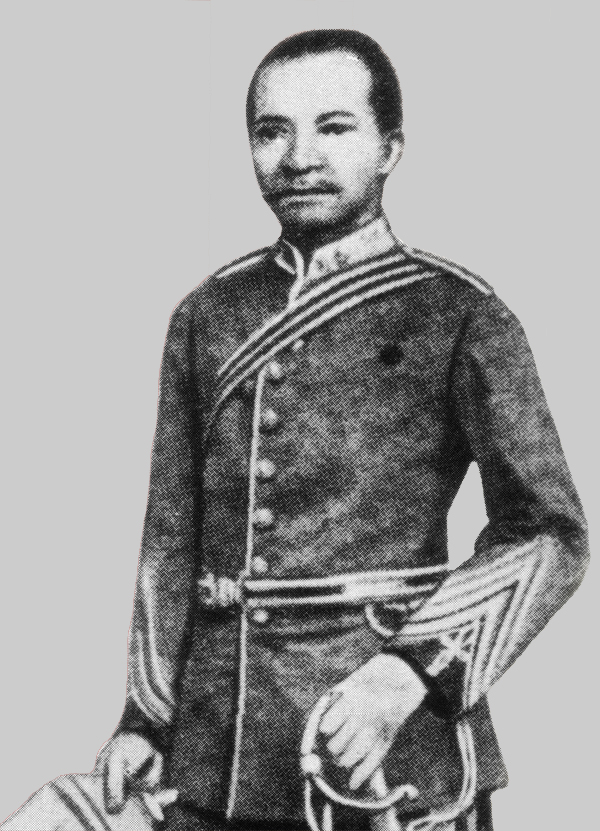
James Africanus Beale Horton was among the first Africans to qualify as a medical doctor and serve as an officer in the British Army. He was also a scientist, entrepreneur and political writer. His 1868 book Vindication of the African Race challenged European racial supremacism and helped influence later thinking about African self-government.
James Francis Durham about 1883 to 1910
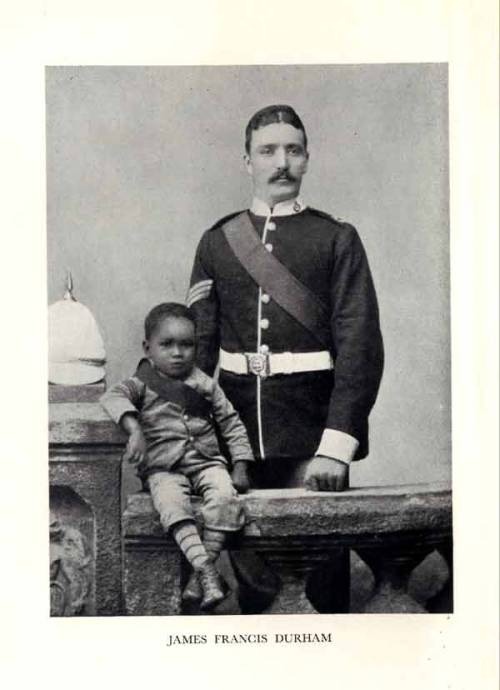
James Durham, known as Jimmy, was born in Sudan. Orphaned during military operations in 1885, he was cared for by soldiers of the Durham Light Infantry. He later became the first African accepted into the British Army on the same conditions as white recruits.
“They were there. They served. They belong in the story we remember.”
Why Their Stories Matter
These biographies show that Commonwealth and Empire personnel were not a footnote to British military history. They served in front-line combat, navigation, aviation, medicine, intelligence, logistics and support. They displayed courage, endured loss and, in many cases, continued to confront racial discrimination after their service ended.
Remembering individual people changes history from an abstract record into a human inheritance. Their stories help descendants recognise their place in Britain’s past and allow every visitor to understand that service and sacrifice crossed borders, cultures and faiths.
Commonwealth Memorials Foundation Exists To Ensure That
Those Who Served Together Are Remembered Together.